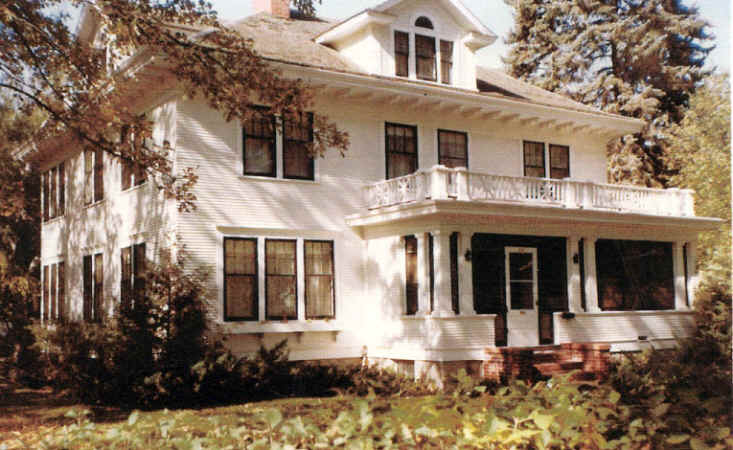
Come Discover Northwood
This is the place for you!
|
|
|
|
A Place to call Home
Housing Availability There are approximately 365 single-family homes, 110 multi-family units, and 15 mobile home lots for a total housing inventory of 490.
New Housing Incentives Incentive Package�Value up to $10,000� Up to 4,000 in Northwood Bucks when spending construction dollars with Northwood businesses � First year FREE memberships: Family Activity Pass at Northwood Public School, Northwood Deaconess Health Center Family Fitness Pass, Family Golf Membership, Family Pool Pass � City exempts the first $75,000 of true and full taxable valuation for the first 2 years � Energy Efficiency Rebates through the City of Northwood and Bright Energy Solutions � FREE berm tree from the City of Northwood � FREE installation plus free internet and cable television service for 6 months from MLGC � FREE local newspaper, The Gleaner, for 6 months
Mobile Home Estates ***LIMITED INCENTIVE*** $1,000 toward moving expenses AND 1st YEAR of lot rent FREE with a minimum 24 month commitment The Northwood Economic Development Foundation (NEDF) has recently built a manufactured housing development located off Lander Avenue at Berg Street and Lincoln Street and has lots available for rent. All utility lines are new. 15 sites available, monthly lot rent $150 Tenant responsible for all utilities, Most lots are approximately 140� x 50�, Some lots are approximately 100� x 75�, Off street parking areas for each address. All homes to be moved in to the development will need to be approved by Planning and Zoning and will need to obtain the necessary building permits and be set up to current code. Tenants in this development will be required to: 1. Obtain approval and building permit from Planning and Zoning. Provide: � Photographs, year, and size of home � Site layout (include entryways, decks, sheds, etc.) � Current North Dakota electrical wiring certificate � Name/references of mover (and installer if available), and statement from mover that home is in moveable condition
2. Complete a rental application form and submit with $100 dock fee
3. Complete utility application at City Hall and submit $150 meter connection fee
4. Comply with local and state codes for installation (setbacks, tie downs, parking, etc)
If you are interest in renting a space in the Northwood Mobile Home Estates, contact the Northwood Inn at (701) 587-5555 or [email protected]
Temporary Housing Northwood Inn, Laundromat & RV Park 512 N Raymond St Contact Cherie Korsmo, manager at (701) 587-5555 or email [email protected] Continental breakfast and commons area, free satellite/cable and wireless internet All brand new!
Home Improvement
Many homeowners don't realize that when they improve or remodel their home, they can save money on energy bills, improve comfort and help protect the environment. Each year, as homeowners spend more than a hundred billion dollars on home improvement and home repair projects, many miss the opportunity to improve the energy efficiency of their homes and reap the rewards. EPA wants to change this and has developed an interactive web-site that provides practical advice and tools for homeowners undergoing home improvement projects.
Key features include:
Heat & Cool Efficiently
As much as half of the energy used in your home goes to heating and cooling. So making smart decisions about your home's heating, ventilating, and air conditioning (HVAC) system can have a big effect on your utility bills � and your comfort. Take these steps to increase the efficiency of your heating and cooling system. For more information, see our Guide to Energy Efficient Heating & Cooling
 (708KB). (708KB).
Change your air filter regularlyCheck your filter every month, especially during heavy use months (winter and summer). If the filter looks dirty after a month, change it. At a minimum, change the filter every 3 months. A dirty filter will slow down air flow and make the system work harder to keep you warm or cool � wasting energy. A clean filter will also prevent dust and dirt from building up in the system � leading to expensive maintenance and/or early system failure. Tune up your HVAC equipment yearlyJust as a tune-up for your car can improve your gas mileage, a yearly tune-up of your heating and cooling system can improve efficiency and comfort. Learn more:
Install a programmable thermostatA programmable thermostat is ideal for people who are away from home during set periods of time throughout the week. Through proper use of pre-programmed settings, a programmable thermostat can save you about $150 every year in energy costs. Seal your heating and cooling ductsDucts that move air to-and-from a forced air furnace, central air conditioner, or heat pump are often big energy wasters. Sealing and insulating ducts can improve the efficiency of your heating and cooling system by as much as 20 percent � and sometimes much more. Focus first on sealing ducts that run through the attic, crawlspace, unheated basement, or garage. Use duct sealant (mastic) or metal-backed (foil) tape to seal the seams and connections of ducts. After sealing the ducts in those spaces, wrap the ducts in insulation to keep them from getting hot in the summer or cold in the winter. Next, seal ducts that you can access in the heated or cooled part of the house. See our Duct Sealing brochure (1.13MB) for more information. Consider installing ENERGY STAR qualified heating and cooling equipmentIf your HVAC equipment is more than 10 years old or not keeping your house comfortable, you should have it looked at by a professional HVAC contractor. If it is not performing efficiently or needs upgrading, consider replacing it with a unit that has earned the ENERGY STAR. Installed correctly, these high-efficiency heating and cooling units can save up to 20 percent on heating and cooling costs. But before you invest in a new HVAC system, make sure that you have addressed the big air leaks in your house and the duct system. Sometimes, these are the real sources of problems rather than your HVAC equipment. Remember that getting the proper size and a quality installation is essential to getting the most from your new equipment. When replacing HVAC equipment, bigger doesn't always mean better. If the unit is too large for your home, you will be less comfortable and might actually have higher utility bills. Oversized equipment will operate in short run cycles, not allowing the unit to reach efficient operation and remove humidity from the air � resulting in an uncomfortable home. Your contractor should determine the right size for your HVAC equipment by using ACCA/ANSI Manual J or an equivalent sizing calculation tool that takes into account specific information about your home.
Coldwell Banker Jodi Danzl 218-779-3478 cell
Jodi Lloyd 701-772-8106 701-330-0423 cell
Crary Real Estate 888-708-0013
Greenberg Real Estate Stephanie Ostlie 701-587-6264 218-779-1135 cell
Rita (Skurdell) Schuster 1-800-884-5933
Prudential Denise Adams 701-775-0013 218-791-8866 cell
Valley Land Investments Stephanie Vaagene 701-587-6207 218-779-4587 cell
|